Lowering Your Rent: HUD Section 202 Deductions & Legal Rights
What You'll Learn
- Learn the exact legal deductions that automatically lower your rent in senior apartments.
- Understand how the 2026 HOTMA out-of-pocket medical deductions work.
- Know your legal rights regarding tenant background screenings and credit scores.
- Discover how to keep your waitlist spot if you have a medical emergency.
Jump to a SectionShow ↓
Preparing for an intake interview for HUD's Section 202 program is an anxious process. You are handing over your financial life to a housing manager and hoping you can afford the result.
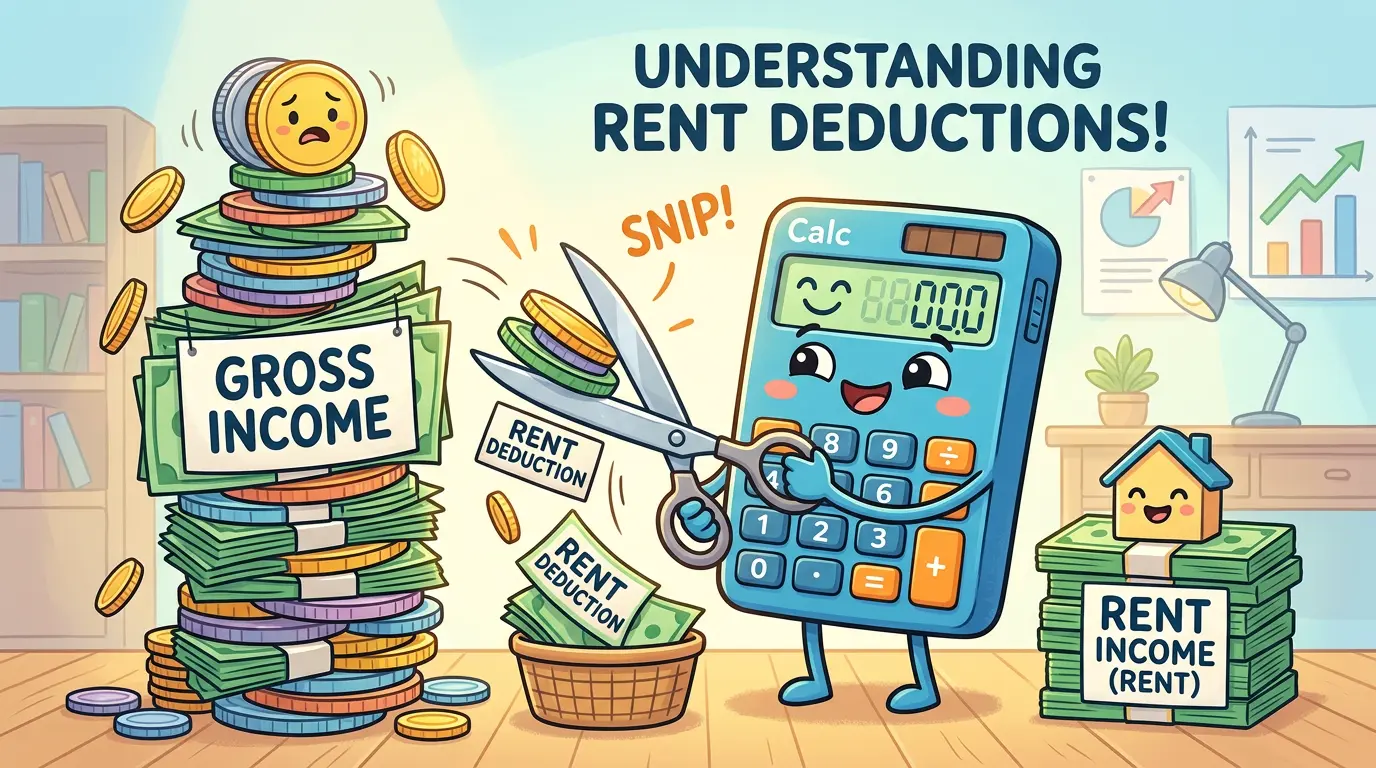
Because Section 202 rent is based strictly on 30% of your adjusted income, ensuring your income is calculated correctly is critical. HUD legally allows you to subtract specific expenses from your total gross income. This intentionally lowers your income profile on paper, which directly reduces the amount of rent you have to pay every month.
Here is exactly how to maximize your legal deductions and protect your rights as a tenant applicant.
Section 202 Rent Estimator
Estimate your monthly rent payment based on your income, medical expenses, and the 2026 HOTMA guidelines.
Include Social Security, pensions, wages, or other gross monthly income.
Include prescription copays, insurance premiums, doctor visits, etc.
Calculation Summary
Mandatory Deductions That Lower Your Rent
Make sure your property manager applies these mandatory discounts during your application process. If they do not, you are paying too much for rent.
- Elderly Family Deduction: Every senior household automatically gets $550 subtracted from their annual income calculation.
- Dependent Deduction: If you care for a qualified dependent living in your home, you receive a $500 annual deduction per person.
Out-of-Pocket Medical Deductions
Seniors often deal with high out-of-pocket medical bills. HUD allows you to deduct verified medical expenses (like prescription co-pays, dental work, and Medicare premiums). However, the Housing Opportunity Through Modernization Act (HOTMA) has introduced new threshold percentages for 2026:
- Phase-In Year 1: You can deduct medical expenses that exceed 5% of your gross income (for existing legacy households).
- Phase-In Year 2: You can deduct expenses exceeding 7.5% of your gross income (for existing legacy households).
- Full HOTMA (Year 3+): You can deduct expenses exceeding 10% of your gross income (the new standard rule for all new applicants).
Emergency Hardship Relief: If you experience a sudden financial crisis due to health issues, you can formally request a Financial Hardship Exemption. This drops your medical deduction floor back down to 5% for up to 90 days, legally lowering your rent while you recover.
Your Legal Protections as an Applicant
HUD guidelines contain strict, built-in rules to ensure you are treated fairly during the tenant background screening process. Property managers must follow these rules:
- No Automatic Credit Score Rejections: Housing providers cannot look at a low credit score and automatically reject your application. They must look at the bigger picture of your financial history.
- Eviction Record Fairness: Landlords cannot deny you housing based on an eviction filing that was dismissed or dropped. They can only hold final, court-ordered eviction judgments against you.
- Free Background Checks: Property managers routinely screen criminal background registries. By federal law, this processing fee must be paid by the landlord. They can never pass this fee onto you.
- Optional Services: If a property offers an on-site meal program, transportation, or housekeeping services, these must remain 100% optional. You cannot be forced to pay for them as a condition of housing.
- VAWA Protections: Under the Violence Against Women Act (VAWA), you cannot be denied admission because of bad credit, broken leases, or property damage that stemmed directly from domestic violence, dating violence, sexual assault, or stalking committed against you.
Keep Your Spot: Waitlist Medical Refusals
Waitlists for Section 202 senior housing can take months or even years. Because of this, your name might finally be called at the worst possible time—such as while you are recovering in a hospital or physical rehab center.

If you receive an offer for an open apartment but cannot physically move due to a medical crisis, do not ignore the notice.
If you submit a certified medical letter from your doctor to the property manager within seven days of the apartment offer, you can claim a medical refusal. This acts as a legal pause button. It allows you to retain your exact position at the very top of the waitlist while stopping the property from contacting you for 90 days so you can heal in peace.
Next Steps
Knowing your rights is half the battle. To move forward with confidence:
- Calculate Your Rent: Use the estimator above to understand roughly what 30% of your adjusted income will be.
- Gather Documents: Collect receipts and statements for all your recurring medical expenses and prescriptions so you can claim your out-of-pocket deductions during intake.
- Submit Your Application: Search our platform for active Section 202 properties and apply, knowing that a low credit score or medical crisis will not legally block your path.
Common Questions
Still have questions? Here are the answers people ask most often about this program.
Sources & Citations
Find My Housing is committed to providing clear, accurate, and authoritative information. Here are the official sources, federal regulations, and program guidelines cited in this guide.
Need help right away?
Call 211 — it's free, available 24/7, and connects you to local housing help, shelters, and emergency rental assistance in your area.