How to Apply for Section 202 Supportive Housing for the Elderly
What You'll Learn
- How to qualify for HUD's Section 202 supportive housing for the elderly.
- How Section 202 rental assistance caps your out-of-pocket rent.
- Where to find Section 202 listings
- Step-by-step strategies to navigate the Section 202 application process.
Jump to a SectionShow ↓
 Finding a safe, quiet, and affordable home as you get older can feel overwhelming. Government programs are often filled with confusing paperwork and complicated rules. If you or an older family member are trying to secure affordable housing, HUD's Section 202 Supportive Housing for the Elderly program is one of the most reliable options available.
If you are navigating Section 202 HUD requirements for the first time this guide breaks down: what the program is, who qualifies, and exactly how to apply for Section 202 housing today.
Overview: What is the Section 202 Program?
The section 202 program is a federal housing initiative managed by the Department of Housing and Urban Development (HUD). Instead of giving you a voucher, HUD provides direct funding and section 202 rental assistance directly to private, non-profit organizations to build and manage affordable apartment communities.
These properties focus heavily on older adults living on very limited fixed incomes. Unlike traditional nursing homes, section 202 supportive housing properties are built to help you live completely independently. Every apartment includes its own fully functional, private kitchen and bathroom.
Most buildings also feature an on-site Service Coordinator. This dedicated staff member helps residents arrange free or low-cost community resources like grocery vans, medical transit, and social activities so you can safely age in place.
Section 202 HUD Guidelines & Eligibility
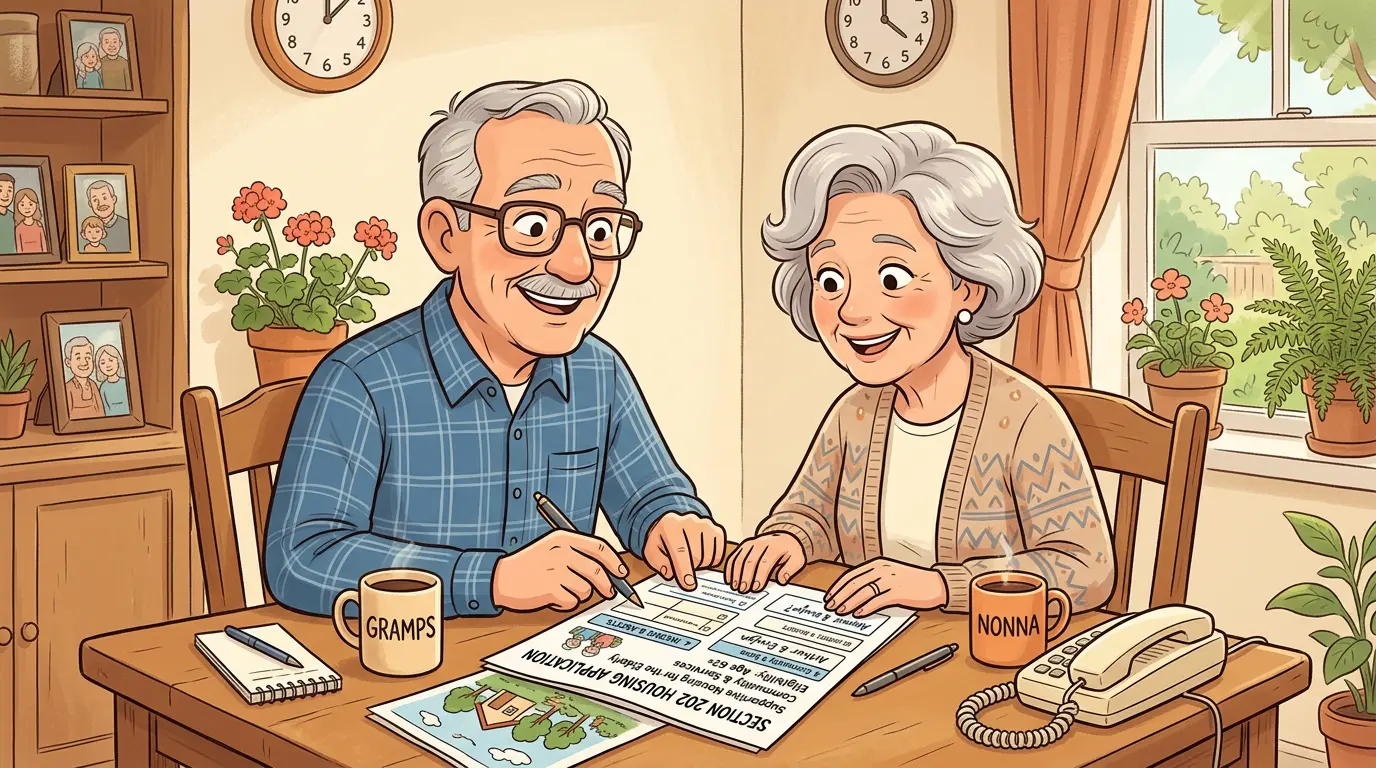
To get your application approved, your household must clear two main initial hurdles according to official Section 202 HUD guidelines: age and income.
1. The Age Rule
To qualify for occupancy, at least one member of your household must be 62 years of age or older at the time you initially sign the lease. This individual must be the official head of household, co-head, or spouse.
2. The Income Rule
Your total gross annual income cannot be higher than the Very Low-Income Limit in your area. This limit is set at 50% of the Area Median Income (AMI). Because the cost of living changes depending on where you live, HUD calculates these limits every year for every city and county in the United States. You can calculate your local limits using our free AMI Calculator.
A Helpful Exemption: Unlike standard Section 8 vouchers, modern Section 202 properties are completely exempt from strict "income-targeting" rules. This means properties do not have to hold a high percentage of empty units exclusively for those making under 30% of AMI, making it slightly easier for a wider range of low-income seniors to qualify.
Do You Qualify for Section 202 Senior Housing?
Take this 60-second eligibility check to see if you qualify for rent-assisted independent senior apartments.
Deep Dive: Want to know if your savings account or retirement fund will disqualify you? Read our complete breakdown in Section 202 Eligibility & The New 2026 HOTMA Asset Rules.
How Your Rent Share is Calculated
Your monthly rent share is calculated dynamically based on your unique financial situation. Under HUD rules, your out-of-pocket rent expense is capped at exactly 30% of your monthly adjusted gross income. The remaining balance of the market rent is covered entirely by the program's built-in utility and rental subsidies.
Wondering exactly how much rent you will actually pay? Because your rent is based on your adjusted income, maximizing your legal out-of-pocket medical deductions is critical.
Calculate Your Rent: We broke down exactly how the new 2026 medical deductions work and built a free interactive tool to estimate your monthly payments. Check it out in Lowering Your Rent, Deductions & Legal Rights.
The HUD Section 202 Application Process
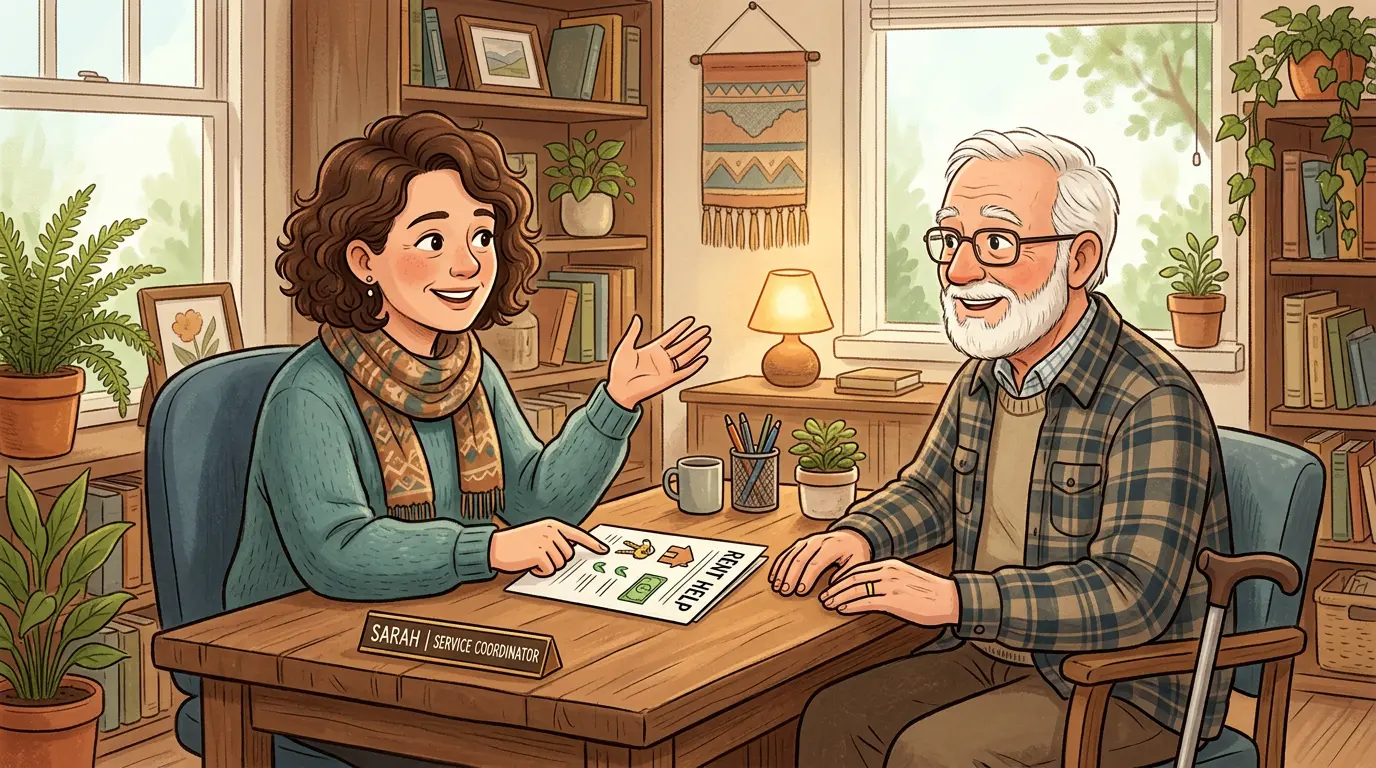
Because this system is decentralized, learning how to find section 202 housing and submit paperwork requires direct outreach. Follow this step-by-step action plan to navigate the process smoothly:
Step 1: Access a Verified Section 202 Housing List
To build your target property list, skip the broken government directories. Use Find My Housing to locate senior communities in your area. Our database acts as a localized HUD Section 202 housing list, complete with real-time waitlist statuses and direct property management contact details.
Step 2: How to Get a HUD 202 Application
There is no unified, federal HUD 202 application portal online. HUD does not accept digital submissions for this program on a national level. Instead, you must contact each building's leasing office individually to request their specific digital portal link or ask for a physical application to be mailed to your home.
Step 3: Request the Tenant Selection Plan (TSP)
When you speak to the community coordinator, always ask for a copy of their Tenant Selection Plan (TSP). The TSP is a public legal document that explicitly outlines their exact waitlist priority preferences, local credit check scores, and criminal background limitations.
Step 4: Secure Multiple Waitlist Placements
Because these apartments offer incredible value, average wait times frequently exceed two years. It is critical to apply to multiple independent properties simultaneously to optimize your chances. If a building's waitlist is active and open, submit your preliminary intake application immediately to stamp your placeholder date.
Common Questions
Still have questions? Here are the answers people ask most often about this program.
Sources & Citations
Find My Housing is committed to providing clear, accurate, and authoritative information. Here are the official sources, federal regulations, and program guidelines cited in this guide.
- 1
- 2
- 3
- 4
- 5
- 6
- 7
- 8
- 9
- 10
- 11
- 12
- 13
- 14
- 15
- 16
- 17
- 18
- 19
- 20
- 21
Need help right away?
Call 211 — it's free, available 24/7, and connects you to local housing help, shelters, and emergency rental assistance in your area.