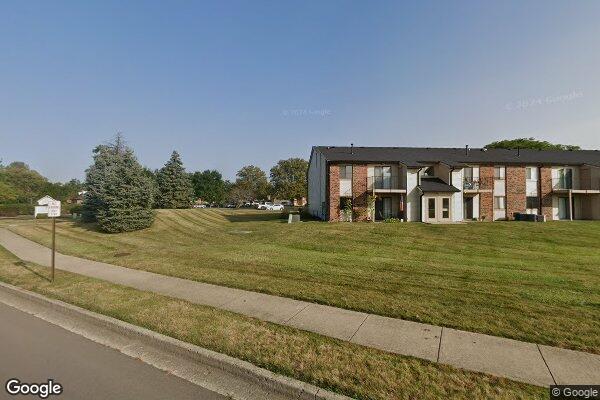
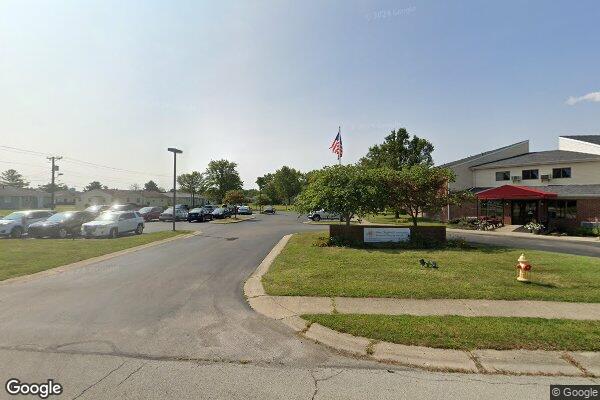
GREENFIELD VILLAGEIncome-based apartments (LIHTC tax credit · 60% AMGI AMI) in Greenfield, Indiana
Best fit
Income-based, 60% AMI
Rent
Contact for pricing
Floor plans
1 Bed • 2 Bed
Total Units
256
Year Built / Opened
1989
Takes 30 seconds. 100% free
Best fit
Income-based, 60% AMI
Rent
Contact for pricing
Floor plans
1 Bed • 2 Bed
Total Units
256
Year Built / Opened
1989
Waitlist expected. Click Check Eligibility below to generate your ready-to-print application materials so you're first in line.
Walk Score®, Transit Score®, and Bike Score® are trademarks of Walk Score and Redfin.
How Walk Score worksWhat this means for you
This property includes LIHTC tax credit · 60% AMGI AMI. Rent rules can change by unit, so ask the office which program applies to the apartment you want.
LIHTC: These are income-based apartments with rent limits tied to the local Area Median Income (AMI) — not market-rate rent. Rent limits are set from the local AMI. If this property also has rental assistance, some tenants may pay about 30% of adjusted income.
Not explicitly confirmed. Call ahead to verify elevator availability and doorway widths before applying.
Rent-Restricted Units
112 of 256 total
income-restricted tax credit apartments
Rent-Restricted Until
~1989
Minimum 30-year LIHTC legal commitment
Income Limit
60% AMGI
Your household income must be at or below this % of Area Median Income
Additional Financing Sources
Greenfield village is a Low Income Housing Tax Credit (LIHTC) apartment community in Greenfield, Indiana. LIHTC properties — also called Section 42 housing or tax credit apartments — are income-restricted rentals developed with federal tax credits administered by state Housing Finance Agencies (HFAs). Qualifying residents pay rent based on a percentage of the Area Median Income (AMI) for Greenfield. These properties are among the most affordable apartments available without a Section 8 voucher.
To qualify, your total household income must fall at or below the income limit set for this property — currently 60% AMGI of AMI. Unlike public housing, LIHTC income-restricted apartments are privately managed and require you to apply directly to the property. Rent is fixed at a discounted rate tied to AMI — not to your specific income — so your monthly payment stays predictable.
By law, LIHTC properties must remain rent-restricted for a minimum of 30 years. Greenfield village was placed in service around 1989, keeping rents income-restricted at least through ~1989.
You must be of qualifying age. Your income must fall within HUD's Area Median Income (AMI) limits for Greenfield.
This listing shows historically available units. Ask directly if a unit is open today.
If you use a wheelchair or walker, confirm elevator access and doorway widths before submitting a paid application.
Did you know?LIHTC properties have specific maximum rent limits based on your income and the local Area Median Income (AMI). Read the full guide
This record reports: 1 Bed • 2 Bed. Availability can change rapidly, so ask management which layouts are currently open and whether any accessible units are available.
Greenfield village is a Low Income Housing Tax Credit (LIHTC) property. HFA records indicate the income ceiling is set at 60% AMGI. This means your household income must be at or below that percentage of the Area Median Income (AMI) for greenfield. The exact dollar threshold depends on your household size. Management will verify income during the application process.
To view the specific income caps (e.g. 30%, 50%, or 60% AMI limits) for all household sizes, check out the .
LIHTC compliance period may have ended
Reason recorded: 1. Call management to confirm whether income restrictions and subsidized rents are still in effect.
Our eligibility tool automatically cross-references your household size and gross income with the local AMI database for this property to determine your fit.
LIHTC properties are required by law to remain affordable for a minimum of 30 years from the date they were placed in service (Greenfield village was placed in service around 1989, so rent restrictions are secured at least until ~2019). After that period, the owner can choose to exit the program or renew. Ask management about the property's current compliance end date.
In addition to the federal Low Income Housing Tax Credit, this property was also financed with: tax-exempt bonds. Layering multiple housing subsidy programs is common and often allows properties to offer deeper affordability or better amenities than LIHTC alone.
HUD records indicate this property may no longer be actively monitored under the LIHTC compliance program (reason: 1). This does not necessarily mean it is market-rate — some properties voluntarily maintain affordability after the compliance period ends. Call management directly to confirm the current rent structure and any remaining income restrictions.
Data Provenance
Sourced from LIHTC Database. Last updated: Jun 30, 2026.Read our methodology.